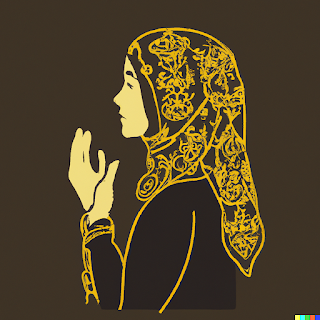
Anxiety is a common human experience that affects people from all walks of life, regardless of their religious beliefs. In Islam, there are profound teachings and practices that can help individuals cope with and overcome anxiety. This blog post will explore some of these methods and offer guidance on how to deal with anxiety in Islam.
Prayer (Salah):
One of the most powerful tools in dealing with anxiety in Islam is prayer, known as Salah. Performing your daily prayers not only strengthens your connection with Allah but also provides a sense of tranquility and inner peace. When you pray, you turn your worries over to Allah, knowing that He is the All-Knowing and the All-Powerful.
Dua (Supplication):
In Islam, dua is a form of personal communication with Allah. When you're feeling anxious, take a moment to make dua. Pour your heart out to Allah, express your concerns, and ask for His guidance and support. Remember, Allah is always listening, and He responds to sincere supplication.
Tawakkul (Trust in Allah):
Islam teaches us to trust in Allah's plan. Recognize that anxiety often stems from worrying about the future. While it's essential to plan and take practical steps, remember that ultimately, Allah is the best of planners. Have faith that whatever happens is according to His divine wisdom.
Dhikr (Remembrance of Allah):
Engaging in dhikr, which involves the repetitive remembrance of Allah through phrases and supplications, can be soothing for the anxious mind. The act of dhikr redirects your thoughts away from worry and toward Allah's presence and mercy.
Community and Support:
Islam emphasizes the importance of community and seeking support from others. Talk to a trusted friend, family member, or a religious leader about your anxiety. Sharing your concerns can help relieve the burden and provide emotional support.
Self-Care and Health:
Taking care of your physical and mental health is essential in Islam. Ensure you are eating healthily, getting enough sleep, and engaging in regular physical activity. A healthy body and mind can better withstand stress and anxiety.
Seeking Professional Help:
If your anxiety is severe or persistent, it's perfectly acceptable in Islam to seek professional help from a therapist or counselor. Mental health is an important aspect of overall well-being, and there is no shame in seeking assistance when needed.
Recitation of Quranic Verses:
Certain verses from the Quran, such as Surah Al-Baqarah (2:286), Surah Al-Isra (17:109), and Surah Ash-Sharh (94:5-6), are known for their calming and soothing effects. Recite these verses regularly to find comfort and strength.
Practice Patience and Gratitude:
Anxiety often leads to impatience and negativity. Islam encourages patience (sabr) and gratitude (shukr) in the face of adversity. Reflect on the blessings you have, even in difficult times, and trust that Allah's plan is for your ultimate good.
Dealing with anxiety in Islam involves a holistic approach that combines spirituality, self-care, and seeking support when necessary. Remember that you are not alone in your struggle, and Allah is always there to guide and support you. By incorporating these Islamic teachings and practices into your life, you can find peace and resilience in the face of anxiety.


.jpg)
